

The Four Hour Run
The seven endurance muscles that lack training... and they are not physical.

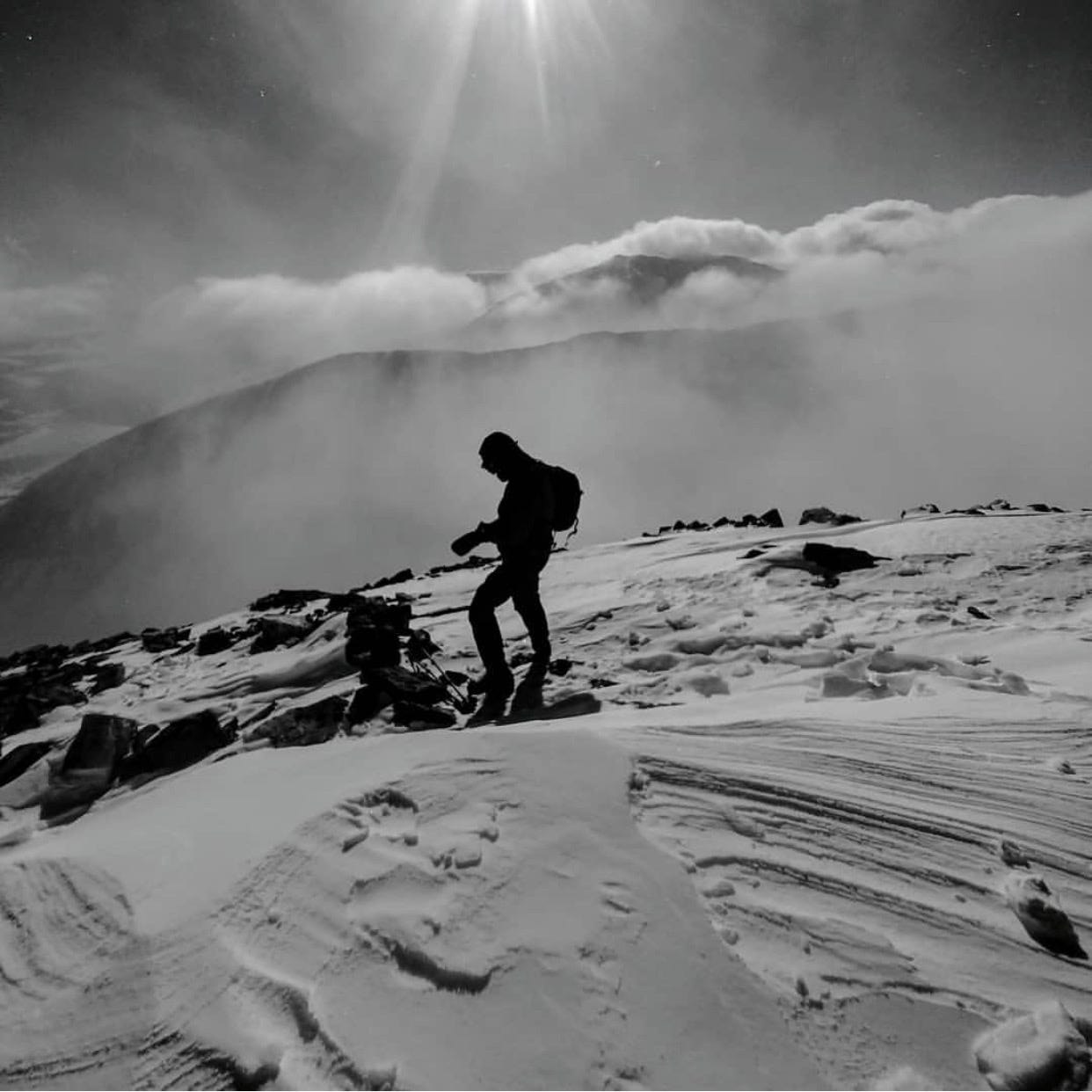
The watch beeps. Sweat drips off the bill of my hat. Four hours is a strange kind of honesty. It feels like water dripping on your forehead, like being waterboarded, except the drip is never consistent. The first hour lets me pretend I’m strong. The second hour starts negotiating: Am I capable? Am I strong enough? Who will I be three hours from now? The third hour tries to break me mentally; somewhere between innocence and guilt, a fistfight with accusations. By the fourth hour, the spirit of life draws the light into the dark corners and forces me to look at them head-on. No one can help me out here. Not really. It’s just me and the truth of who I keep saying I want to become.
I’m out here running, slow dancing with the mountains. And I already know the real race isn’t on any physical calendar. It’s inside me. The world thinks endurance is legs and lungs. It’s not wrong. It’s just incomplete. I was incomplete too when I thought endurance was only blood pumped into my heart faster and harder, the metal taste in my mouth, missing toenails, and the grind of grit. Endurance is what’s left when the body runs out of newness, and all that remains is unfamiliarity. When the mind runs out of entertainment. When the spirit runs out of easy answers.
Endurance isn’t trail miles, meters in a pool, or watts on a bike. Endurance is a long corridor of pressure that doesn’t end when I want it to. Not an endpoint. More like a remodel of recognition. Becoming someone who doesn’t break when nothing about him is recognizable anymore.
The first hour is foreplay for what’s coming. The pain is polite. I settle into rhythm. Inhale. Exhale. One step. One more step. The sun is low, and the air nibbles softly, but I feel the sharpness of its teeth. I can hear my feet kissing the ground below me. Behind them, my thoughts sprint for the lead. I fight for nothingness in this moment. And this is where the effort starts, telling the truth: I don’t just run with my body. I run with my beliefs.
Endurance is spiritual. It’s filled with muscles that need training. The first hour calls it hope. Not the kind you can buy through influence or order off Amazon. Hope out here isn’t optimism. It’s not the bright voice that says, You’re crushing it. That voice kills the moment. This hope is quieter. Tougher. Hope is the anchor that says, “Keep going even if nothing changes for a while.” Because in the first hour, everything is still changeable: pace, mood, weather, confidence, every second, every step, every fraction in a mile. The trail is forgiving. So why am I not forgiving to myself?
I know what’s coming. I know the point in the long run where my brain starts demanding proof. Why am I doing this? Why does this matter? Why am I making this a priority? Proof that I’m not wasting my time. Proof that God sees it. Proof that the outcome will justify the cost. Proof that the suffering is worth every step. So I tighten my posture and keep moving. Not because I feel heroic, but because hope doesn’t require heroic feelings. Hope is endurance with direction. And I know what happens when I neglect hope. Ask my wife. She can answer that one like a left jab to the jaw and a right hook to the body. Cynicism moves in like an ambush from the Taliban. No relief, just constant pressure. A slow death I know too well. So I train hope like my life depends on it: because it does.
An hour and a half in, the effort becomes pay-to-play. If I don’t pay, I don’t get to keep moving forward. My quads tighten slowly from the climbing and speed. My body begins listing “kind requests” that are really complaints: Run slower. Make this easier. Let’s bargain. That’s when I choose joy under strain. Not as a mood, but as a decision. Joy isn’t a smile, though it can help. Joy is defiant worship when circumstances don’t cooperate. This is where people get it twisted. They think joy means pretending pain isn’t real. That’s not joy. That’s denial. Out here, joy is the refusal to let discomfort dictate identity. It’s not poetry. It’s a stake in the ground. And I’ve learned that when I neglect joy, especially in pain and suffering, I become dependent on conditions. My emotional life gets outsourced to the environment. My peace becomes rented. I don’t want rented peace. I want ownership.
Two hours in, motivation stops being fuel. It’s just a memory, like the gel I shoved down my throat a few minutes ago. This is the part where I stop being inspired and start being exposed. My mind tries to bargain. It gets creative. It offers “wisdom” that sounds responsible: You’ve done enough. Don’t overtrain. Save your legs. Recovery matters. Be smart. Some of it sounds true, which is exactly what makes it dangerous. Quitting is rarely offered as quitting. It’s offered as “being mature.” But I know the difference between wisdom and escape. I know the difference between strategy and surrender. This is where discipline takes hold of my heart. Discipline isn’t punishment. It’s governance. It’s a will trained to obey when feelings are unreliable. It’s how I stay steady inside pain instead of being owned by it. I’ve learned you don’t finish races on inspiration. You finish on training. Not mood. Not feelings. Disciplined behaviors and actions. I check my form: shoulders down, hands relaxed, chest open. I simplify everything. One step. One breath. One decision at a time. Discipline isn’t dramatic. It’s boring faithfulness in something greater than myself. Neglect discipline and I become mood-led. If I feel it, I obey. If I don’t, I drift. And drifting is like being pulled out to sea while pretending the current isn’t real. I’m done pretending.
The third hour is where the run stops being about speed and starts being about being whole: about staying at peace. My body’s sensations widen. It’s not one pain; it’s a landscape. And the mind starts radiating the same temptation like heat off asphalt: This would feel better if you just called it good here. You’ve got a solid three hours. You’ve done enough. It’s a fistfight with what I think is contentment. But I know if I fold here, I’ll feel empty later. Not sore, empty. Like I left myself out to dry. That’s when I meet contentment. Not comfort, contentment. Contentment isn’t passive resignation. It’s active. It’s chosen stability when situations swing. It’s the learned skill of not being owned by my mind when it turns against me. Contentment can be trained. It can also be neglected. Contentment says: I can be here without being crushed by here. It doesn’t mean I love the moment. It means I can remain steady in it. I take a gel. Sip water. Keep rejoicing in this slow dance with the mountain I’m climbing. The run becomes logistics: fuel, hydration, posture, breath. And my soul learns something again: steadiness isn’t a feeling. It’s a practice. Just like the hundreds of hours I spent running through shoot houses, training to kill an enemy in tight spaces: steady hands, steady breath, steady eyes. Neglect contentment, and circumstances become the north star. Peace rises and falls with performance, bank accounts, relationships, and results. I’ve lived that life. It’s exhausting. Today, I refuse to be owned.
At some point in the fourth hour, the questions come back, sharper now. Why are you doing this? Not the Instagram why. The real why. The kind that shows up when my legs feel like cement bricks, and my mind is tired of fighting itself. This is where purpose matters. Humans don’t quit because they’re weak. They quit because pain stops making sense. Purpose makes pain intelligible. It gives suffering a shape. It hands the mind a reason to stay. “I consider my life worth nothing to me; my only aim is to finish the race.” That isn’t chasing suffering. That’s chasing faithfulness. Out here, I find my why again. Not as a grand speech, as a sentence that fits inside my breath: This is training for the man I’m called to be when pressure doesn’t lift. Not just an ultra. Fatherhood. Marriage. Leadership. The long obedience. Neglect purpose, and I get busy but not aligned. I grind but don’t know what for. That’s how burnout starts. Purpose keeps the engine from eating itself.
The miles slow down. The climb feels longer than it did earlier. And my mind goes places it couldn’t go before because it was too distracted by effort. Names surface. Conversations. Tensions. People who disappointed me. People I disappointed. The run becomes a quiet padded room, and I’m tied up in my own thoughts, strapped into a straightjacket made of memory. This is where love gets tested. Not in theory, but in reality. Love is endurance. It’s continuing to serve people who aren’t easy to serve or easy to love. I feel the temptation to harden, because hardening feels like strength. But it isn’t. Hardening is a weakness. Love is strength. So I pray for people by name. Not polished, not pretty. Blunt. Help them. Help me. Make me useful. Neglect love, and I isolate or get bitter. I build a wall and call it wisdom. But that isn’t wisdom. That’s destruction wearing a mask. Today, I don’t want destruction. I want love. I want true endurance.
Four hours is enough time for my ego to run out of material and for the spirit to start moving. There’s no crowd. No applause. No one watching. Nothing to prove. Just me, the trail, the watch, birds overhead, and the quietness of God. This is where it becomes a gunfight: identity holds, or identity collapses. If my identity is tied to performance, this run becomes a verdict: an ambush on my soul. If I hit the pace, I’m good. If I don’t, I’m less. That identity is fragile. Identity in Christ is what lets me be honest about weakness without collapsing. It lets me be strong without being arrogant and humble without being ashamed. Neglect identity, and I chase approval. And once I chase approval, I’m not free. I’m managed by opinions I can’t control. The trail doesn’t care about my résumé. God doesn’t ask for my image. He asks for my faithfulness.
When the watch finally clicks over, and I stop, my legs don’t feel “not tired.” They feel nonexistent. My body is tired. But the deeper thing - the thing I’m actually training - feels clearer. Pressure didn’t create my foundation today. It revealed it. Endurance isn’t raw grit. It’s sustained faithfulness powered by three anchors: secure identity (who I am), clear mission (why I’m here), and daily practices (how I keep going). Remove one anchor and the structure weakens. Remove two and I can still “function,” but I’ll be hollow. Remove all three, and pressure will expose it every time. And the run leaves me with a question that feels less like guilt and more like mercy: Which muscle have I been neglecting: hope, joy, discipline, contentment, purpose, love, identity in Christ? What would obedience look like this week if I trained it on purpose? I don’t answer out loud. I jump into my chair and drive home. Because even recovery is part of the race.
Seven Spiritual Muscles
Hope: I stay anchored when nothing changes.
Joy: I worship anyway when it hurts.
Discipline: I obey when I don’t feel like it.
Contentment: I stay steady when life swings.
Purpose: I remember my “why” when pain gets loud.
Love: I keep serving when people disappoint me.
Identity in Christ: I’m not my performance; I’m His.